Have You Outgrown Your
IT Services & Cybersecurity Compliance Company?
Tired of dealing with IT services you can’t rely on? Act now:
The Outsourced IT Support & Cybersecurity Compliance Company
We Make IT Problem-Free
We Are Dedicated to Delivering Reliable, Cost-Effective IT Solutions for Businesses
Maybe you’re concerned with the current rising costs of your IT services, or maybe you are just running short on time because of your expanding business and need to hand over the reins of some services to someone else. Whatever your reason, we can help you with quality IT services today. Your business can save money and time today with Absolute Logic’s managed services, network solutions, IT services and more.
What We Do For You:

Cybersecurity & Compliance
Count on continuous uptime with proactive 24/7 monitoring that prevents disruptions and ensures your technology always operates at peak efficiency.

Spend Smarter
Reduce unnecessary expenses through predictable flat-rate support that keeps your systems stable, reliable, and within budget every single month.

Boost Productivity
Gain freedom to prioritize growth initiatives while we handle IT management, giving your team more time to pursue profitable business goals confidently.
Best Cybersecurity & Compliance Provider

Absolute Logic delivers cybersecurity and compliance services that protect your data, meet regulatory demands, and maintain the trust that keeps your business operating securely and confidently every day.
Our cybersecurity and compliance solutions safeguard businesses across Connecticut against evolving threats and complex regulations. By combining proactive defense, structured oversight, and experienced leadership, we help organizations maintain HIPAA, GLBA, and NYSDFS 23 NYCRR 500 compliance, strengthen resilience, prevent breaches, and ensure operations remain uninterrupted, secure, and fully aligned with state and federal requirements.




Success Stories

“Absolute’s worry-free system lets us do what we do best …”
“When we were looking for an IT company to assist us in opening our office in 2008, we turned to Absolute Logic. Absolute was there when we needed them with professional and knowledgeable service. They drew on a deep understanding of law firms and provided accurate recommendations for what our law firm would need to open its doors and were there to make sure the opening went without hitch. They have continued as our IT services provider and provide exceptional service. If I were asked what I like most about Absolute, it would be the fact that they are always there when you need them and they provide you service without interrupting your business.”


“Their consistent track record of delivering on their promises has solidified our trust in their ability to safeguard our IT assets and ensure the utmost protection for our organization.”


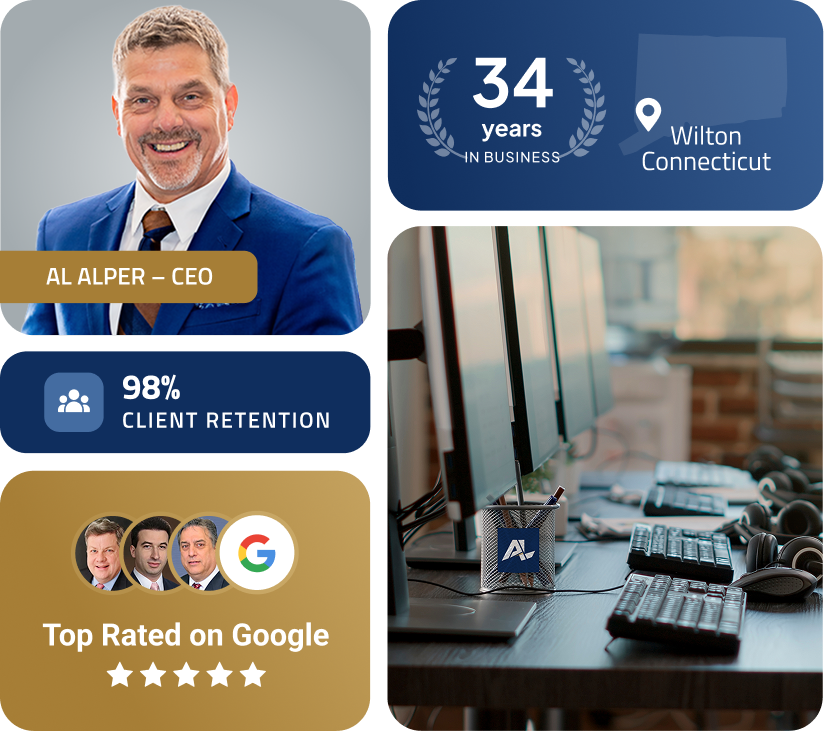
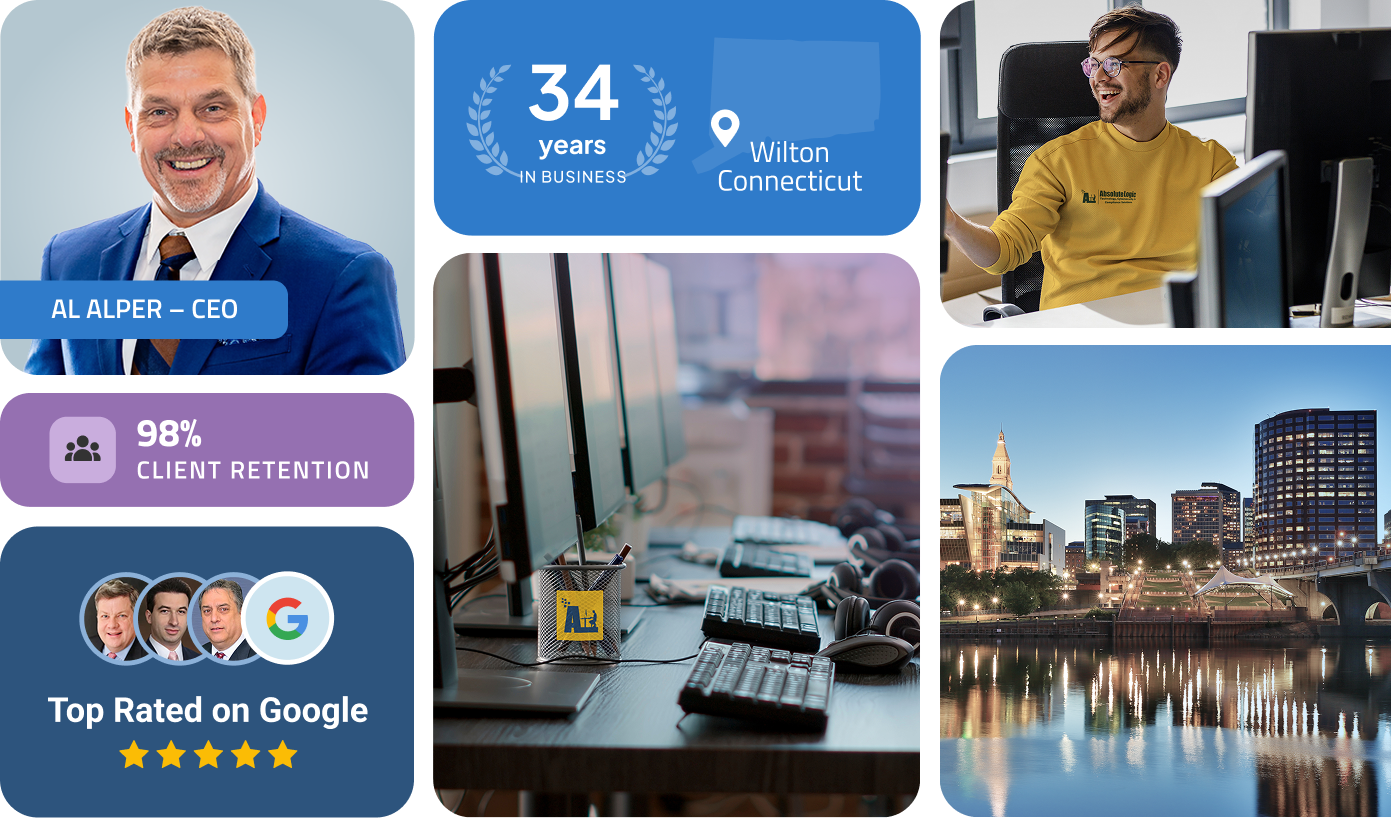
Al Alper – CEO
Since the beginning, Absolute Logic has been steadfast in empowering businesses of all sizes to leverage the potential of their workforce and technology, driving tangible and lasting growth. As your trusted strategic partner, we offer customized IT solutions that help achieve your business goals.
Real Results. Measurable Success
34
Years of Excellence

98%
Client Retention Rate

24/7
Always-On Support

2000+
End-Users Supported

Our Services
Managed IT
Our managed IT services provide comprehensive system oversight, ensuring every device, application, and user stays productive and protected. With 24/7 monitoring, help desk access, and preventative maintenance, we eliminate downtime before it starts. You gain predictable costs, faster resolutions, and a reliable IT foundation.
IT Security & Compliance
Our IT security and compliance services combine proactive defense with regulatory alignment. Through advanced threat monitoring, vulnerability management, and policy enforcement, we help prevent breaches and maintain data integrity. We ensure your business meets industry standards and audit expectations.
Cloud Computing
Our cloud computing solutions simplify collaboration and mobility by hosting applications and data in secure, scalable environments. We design, implement, and manage custom cloud infrastructures that grow alongside your business, enhancing productivity, increasing agility, and significantly reducing maintenance costs.
Backup & Disaster Recovery
Our backup and disaster recovery services safeguard critical information across all systems and locations. Automated backups, secure offsite storage, and rapid restoration minimize downtime and prevent data loss. We ensure your operations recover quickly from incidents, reducing financial impact.










Cloud Computing
Empower your workforce with secure, scalable cloud technology that enhances mobility, collaboration, and business flexibility from anywhere.
Our cloud computing solutions simplify collaboration and mobility by hosting applications and data in secure environments. We design and manage cloud infrastructures that grow with your business, enhancing efficiency while reducing hardware and maintenance costs. Whether migrating systems or integrating hybrid environments, we deliver seamless access and consistent performance from any device or location.
Backup & Disaster Recovery
Protect your data, minimize downtime, and ensure your business can recover quickly from any disruption or unexpected loss.
Our backup and disaster recovery services safeguard critical information across all systems and locations. Automated backups, secure offsite storage, and rapid restoration minimize downtime and prevent data loss. Whether caused by cyber incidents, hardware failures, or natural disasters, we ensure your operations recover quickly, reducing financial impact and maintaining customer confidence.
Why Choose Absolute Logic?
Choosing the right IT partner shapes how efficiently your business operates every single day. At Absolute Logic, we combine responsiveness, clarity, and experience to keep your technology dependable and your operations uninterrupted.

Immediate Response
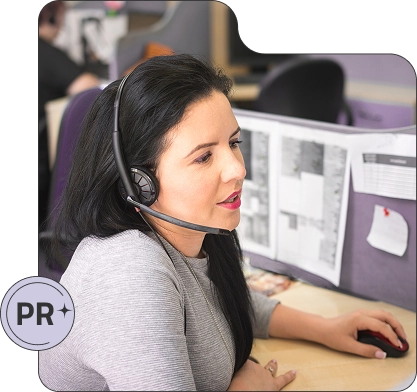
Our IT services team answers every call in real time to ensure instant support and immediate action for our clients. Remote tools allow us to restore functionality within minutes.

Extensive Experience
Each technician brings over fifteen years of experience across IT, security, and networking. You gain senior-level professionals who deliver efficient solutions backed by knowledge.

Clear Communication
We speak in terms that make sense, explaining every issue clearly and honestly. You stay informed from start to finish with complete transparency and updates.

Commitment to Satisfaction
We resolve concerns quickly, take ownership of every task, and ensure every solution exceeds expectations through reliable service and consistent accountability.
IT Solutions

Managed IT Services

Cyber Security

Network & Server

Cloud Solutions

Communications & Support

Disaster Recovery
HR Solutions

Managed HR Administration

Employee Handbooks

Payroll Administration

Worker’s Compensation

Risk Management

Difficult Conversations
Stop Relying On Slow and Unresponsive IT Services
Call (203) 936-6680 today or schedule your appointment to work with a team of business technology experts that will really solve your IT problems.
FREE Strategy Call
Fill in a quick form to schedule a one-on-one strategy call with our team.
Talk to Us
We’ll take the time to listen and propose the next steps to improve your IT.
Get Started
Work with an IT company you can rely on day in and day out.